The Gen X Playbook
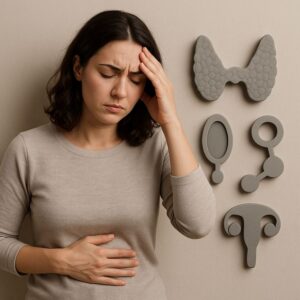
If your adolescence was anything like mine, you had basic sex education. Maybe, like my parents, yours gave you some solid advice on how not to get pregnant or contract an STD. Possibly, your mother, like mine, explained that your cycle need not dictate your life: there are tampons so you can swim and not look like you’re wearing a diaper. And, if your cycles were erratic, as mine were still by age 16, you were put on birth control, and then never thought about it again- until you decided to become a mother. Pretty much all I knew or learned about my cycle was that it was an inconvenience, and that you only needed to have a period if you were trying to get pregnant. This lack of information is not my parents’ fault, or the fault of my PE teacher, who was more interested in teaching us how to put a condom on a banana. Nor was it my pediatrician’s fault. No one, not even doctors, was really educated on how women’s cycles worked (or should work). Girls and women were not coached on how to lean into their strengths and protect their weaknesses as the ebbs and flows of their cycle went. We were told to either control your cycle with BCPs or suck it up and deal.
Well, we can do better. I will not let my daughter go through life sucking it up.
It’s time we all learn not just how our cycles (used) to fluctuate, but then use that information to guide how we understand the vital shift we undergo in perimenopause.
I was on BCPs for 16+ years. Regardless of life’s stresses, my weight fluctuations, whatever, I always followed the same cycle. When I went on the pill, my cycles were all over the place: heavy one month, gone for a couple, then back but spotty, etc. I was relieved to take the variability out of life. When I got off the pill after being on it half my life at age 32, I shouldn’t have been so shocked to find that my cycles (once I got them back) were still wonky! This time, focused on trying to conceive, I learned more about the female cycle, ovulation, and even what the term “luteal phase” meant. All Greek to me. I was lucky to conceive and have a beautiful daughter, but shortly after, I found myself entering perimenopause. And the learning curve was about to get really steep!
The Hormonal Symphony: How Your Cycle Works Before Perimenopause
Let me start by introducing you to the Major Players:
- Estradiol (Estrogen): Our most famous hormone, estrogen is known as “The Builder.” It grows the uterine lining and supports brain, bone, joint, eye, and heart health. Well, tbh, it affects almost every part of our bodies (more below). There are actually 3 primary estrogens, but estradiol gets the most airtime because it’s also the most potent.
- Progesterone: Estrogen’s less famous counterpart, progesterone, is known as “The Calmer.” It generally rises after ovulation to balance estrogen, soothe the nervous system, and aid sleep. Its benefits extend far beyond uterine health by promoting GABA, regulating mood and sleep, stimulating bone building, and thyroid conversion for energy. It’s also one of the first things to wane in perimenopause.
- Testosterone: One hormone often forgotten in female health is testosterone. While we make far less than men, it’s crucial as “The Motivator.” Mid-cycle testosterone peaks give us energy, strength, and increased libido. However, we also need it to maintain muscle and bone mass, as well as energy and drive.
- FSH & LH: Follicle-Stimulating Hormone and Luteinizing Hormone are critical signals sent from the hypothalamus in the brain to the pituitary and then to our ovaries. FSH signals the ovaries to prime follicles to prepare to release an egg. Then LH spikes to spur that ovulatory release of the egg.
So, all these hormones work together like instruments in a symphony: coming in at just the right time, at the right levels, and then fading out subtly as the next one comes in.
Follicular phase: This term refers to the first half (ish) of your cycle, when estrogen starts to rise. The day your period starts is the first day of the cycle and the beginning of the follicular phase. Estrogen continues to dominate in this phase as FSH rises and ovulation approaches.
Ovulation: This generally happens mid-cycle after the follicle has matured, and a spike in LH releases the egg. This egg release triggers progesterone production.
Luteal phase: This second half (ish) of your cycle is dominated by progesterone, and estrogen starts to drop. I like to remember progesterone’s role by thinking “pro-gestation.” It helps the body find calm and balance and helps a potentially implanted egg to stay safe and grow. If you have sufficient progesterone during this phase of your cycle, you may feel like you’re in a “nesting” mood.
Menstruation: If you didn’t have an egg implanted in the uterine lining by this point, progesterone also drops as estrogen does, and you have your menses. The cycle restarts.(1)
The Perimenopause Shift: Why You Feel Out of Control
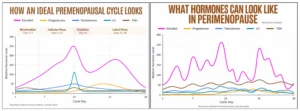
It’s a Rollercoaster, Not a Smooth Drop. The reason those years leading into menopause, and quite frankly for a while into menopause, seem so topsy-turvy is because our hormones don’t just drop gradually and smoothly. It’s more like getting on a rollercoaster. That first uphill smooth ride is followed by all kinds of twists and turns, ups and downs, with no idea what comes next.
Estrogen no longer rises gradually in the follicular phase; it now pulses more randomly. Progesterone, still dependent on ovulation, sometimes fails to show up at all. FSH may spike to try to force ovulation, but LH may not respond. And testosterone starts flagging regardless.
The Missing Ovulation & Progesterone Gap:
As we age, ovarian reserve (how many eggs we have left) naturally declines. As ovulation becomes irregular, progesterone is the first hormone to drop. That lack of progesterone not only leaves you feeling depleted, moody, and out of sorts, but it leaves estrogen unopposed. You may have heard the term “estrogen dominance” before. What this really refers to isn’t necessarily high estrogen, but estrogen left unchecked by progesterone. This can lead to heavy periods, sore breasts, mood swings, and insomnia.(2)
Why You Feel It EVERYWHERE!
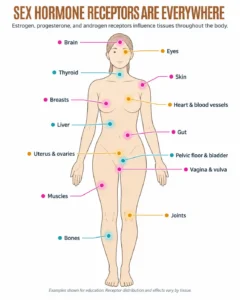
Believe it or not, we have receptors for sex hormones all over our bodies, not just in our ovaries and uterus. In fact, they are a critical part of almost all systems in our bodies, which is why the symptoms of perimenopause are so vast!(3,4,5)
- Brain & Nervous System: Brain fog, mood swings, sleep disruptions, hot flashes.
- Musculoskeletal System: Joint stiffness, tendon pain, loss of lean muscle.
- Gut & Liver: Bloating, altered digestion, slower toxin clearance.
- Metabolic: Sudden puffiness and changes in insulin sensitivity.
The Perimenopause Metabolic Paradox: Why Old Strategies Fail Now
The Old Playbook: Once upon a time, I could go on a weekend vacay, eat and drink with abandon, and know that a few days of dialing it in when I got home would fix it. Within 48 hours, I’d be back to my lean, unpuffy self. Those days are done. Now it could be a month of tightening things up to undo partying like that.
And my day-to-day playbook has changed too. I can no longer while away hours on the StairMaster or pound the pavement for an 8-mile run 5 days a week to stay lean. Those cute 5-pound weights bounced around for 50-rep biceps curls no longer give me arm definition. And restricting myself to a 1200-calorie day now causes me to gain weight, instead of lose. What gives?
In our 20s and 30s, we could get away with punishing cardio and restrictive diets. And even skimping on sleep. But as our hormones begin to flag, so does our resilience.
Why It Backfires in Midlife:
- Calorie Restriction: Depriving the body of protein, healthy fats, and fiber increases stress hormones, encourages muscle loss, and slows metabolism. That old 90s dogma of eat less and move more no longer works. Why? Because signaling to our bodies that nourishment is in short supply doesn’t make our metabolism suddenly want to burn off fat. In fact, that scarcity mindset might even increase fat stores, and we can become more resistant to weight loss.(6)
- The Stress Compound: When stress hormones dominate, as they often do in midlife, we become more insulin resistant. This is made worse by decreasing/erratic estrogen, so that morning oatmeal spikes our blood sugar more than before and leaves us craving more! So we react to even “healthy” foods with a higher blood sugar response.
- Chronic Cardio: For many of us, long bouts of cardio are how we de-stress- or at least we think we do. But the damage is in the dose. Even something good for us, like a long run or bike ride, can turn that “hormetic” (good-for-us) stress into something that breaks us down when done too often. Our already cortisol-driven lives don’t need added stress. This can worsen insulin resistance, make it harder to maintain muscle and bone, and leave us feeling exhausted, inflamed, and downright bad.
Instead of punishing ourselves with caloric restriction, sleep deprivation, and nonstop movement, we need to shift our priorities to efficiency, recovery, and safety!
The New Playbook: A Vital Shift for What Actually Works Now
Shift 1: Nourish Instead of Restrict
Imagine not having to track your calories, measure your food, or think, “That should be enough for me.” Instead of focusing on how little you can consume and still function as a human, what if you ate food to NOURISH yourself? What if you ate to help your muscles recover, your sleep deepen, and your brain work faster?
That’s the shift I have made in my late 40s, and the difference is unbelievable! I make sure I get at least 20-30 grams of protein at each meal; I don’t shy away from carbs, but instead put them around workouts and in the evening to help me sleep. I get fiber at every meal so that my gut stays healthy and helps me naturally detoxify my hormones. By doing this, oh, and drinking plenty of plain old water throughout the day, my blood sugar is stable, my energy doesn’t wax and wane throughout the day, and cravings are in check.(7)
Shift 2: Smart Cardio & Prioritize Muscle Building
Okay cardio queens, I know the idea of doing less is terrifying, but let’s rethink what we learned in the 90s. If you are a bit more strategic with your cardio, doing moderate intensity 2x/week and throwing in some intervals once or twice a week, you will still get the heart and stress-relief benefits without pushing yourself into total catabolic breakdown.
- Moderate Zone 2 Intensity 2x/week: Maintains cardiovascular health, stamina, and mitochondrial density without overwhelming recovery capacity.(8,9,)
- Short Sprints / HIIT 1–2×/week: Quick, high-power efforts boost metabolic rate, insulin response, and growth hormone without driving chronic stress/cortisol elevation.(10,11)
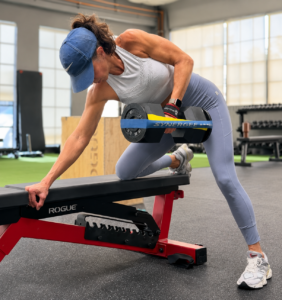
The real magic happens when you then layer in progressive heavy resistance training twice per week. This means putting down the 3- and 5-pound weights and following a real plan to build muscle. YOU WILL NOT BULK UP!! But you will find that a consistent, progressive resistance training program will help you finally see those “toned” muscles you’ve always dreamed of. Plus, weight training will help you increase bone density and improve insulin sensitivity. And did you know that more muscle not only increases your overall metabolism, but your energy too?!
Shift 3: Guard Sleep & Lower Stress
How many nights have you ended up burning the midnight oil to finish a work project, or even to finish bingeing the latest TV show obsession? Other nights, you may find yourself unable to sleep because of stress or hormone shifts. This pattern of constantly negotiating sleep and then running short only makes us less resilient, more insulin resistant, and, let’s face it, grumpy!
In midlife, sleep is no longer a “nice to have.” It’s a requisite! Sleep helps us consolidate memories and literally clear our brains of the metabolic garbage they accumulate. Sleep also allows our bodies to naturally fast and stabilize blood sugar. Without sufficient sleep, pretty much everything gets harder and more stressful, and then the cycle just continues. So instead of wearing busy like a badge of honor, prioritize your recovery.(12)
Shift 4: Re-evaluate Alcohol
Let’s be perfectly honest: this isn’t my favorite topic. I love wine. I love margaritas! But I don’t love night sweats; I don’t love hangovers (which seem more likely these days), and I really don’t love looking puffy in the morning!
Unfortunately, we aren’t as good at detoxifying alcohol in midlife as we once were. I used to be able to handle two, or even more, cocktails, then pass right out and wake up ready to roll. Not anymore. One seems generally fine, but two is often way too many. I pass out, only to wake in a puddle of sweat with my heart racing and head pounding at 2 a.m.
Regular alcohol intake will disrupt your REM sleep, liver detoxification, and can even fuel anxiety levels. So if you’re still imbibing daily, consider a non-alcoholic alternative at least a few nights a week and see how it impacts how you feel.(13)
The Midlife Pivot: A Vital Shift
Midlife isn’t a body breakdown; it’s a signal to stop putting yourself last!
We need to shift our focus from taking care of everyone and everything else to putting our own health and priorities front and center.
I honestly used to dread approaching this phase of life. I assumed that I was destined to get saggy, puffy, and tired. Well, let me tell you, that old stigma of menopause and midlife is out!
I’m here to rebrand midlife as a VITAL SHIFT!
This isn’t burnout; it’s CLARITY.
You’re not moody; you’re AUTHENTIC.
It’s not being selfish; it’s SELF-CARE.
You haven’t lost yourself; you’re SHIFTING.
This is the time to reclaim healthier boundaries and focus on your needs and desires. Losing your tolerance for all the things that no longer bring you joy, serve a purpose, or move you is the beauty of this new phase in our lives.
What to do now:
Take a breath first of all. Then start journaling. Start tracking your cycle changes, symptom patterns, sleep, moods, nutrition, and exercise. Sometimes, getting it all on paper brings clarity and helps us make meaningful changes.
Then, figure out where you need help. Do you need to meet with a health coach like me or a medical practitioner to discuss next steps? Do you need to start working with a trainer or take a class? Do just one thing. Just one small step to help you regain control.
And if you don’t know where to start, let me help you. In a 45-minute Strategy Call, I can help you sort through everything you have going on and figure out the next steps. This doesn’t have to be a white-knuckle, push-through phase of life. I promise, you can come out the other side a stronger, brighter, happier YOU!!
Let’s make a Vital Shift – together!
~ DD Forrest

References:
- Puberty and Perimenopause: Reproductive Transitions and Their Implications for Women’s Health. (Hoyt & Falconi, 2015)
- Management of the Perimenopause. (Delamater & Santoro, 2018)
- Estrogen: A Master Regulator of Bioenergetic Systems in the Brain and Body. (Rettberg et al., 2014)
- Role of Estrogen Receptors in Health and Disease. (Chen et al., 2022)
- Estrogen Receptors: An Overview From Different Perspectives. (PMID 26585122)
- The Importance of Nutrition in Menopause and Perimenopause- A Review. (Erdélyi et al., 2023)
- Moderate Increase in Protein Intake in Postmenopausal Women (Nahas, et al., 2019)
- Resistance Training Alters Body Composition in Middle-Aged Women Depending on Menopause- A 20-week Control Trial.
(Isenmann et al., 2023) - Resistance Training Improves Isokinetic Strength and Metabolic Syndrome- Related Phenotypes in Postmenopausal Women. (Alves Oliveira, et al., 2015)
- Effects of High-intensity Training on Cardiovascular Risk Factors in Premenopausal and Postmenopausal Women.
(Mandrup, et al., 2017) - Effect of High-Intensity Interval Training on Body Composition in Women Before and After Menopause- A Meta-Analysis.
(Dupuit, et al., 2020) - Sleep Disturbance and Perimenopause: A Narrative Review. (Troìa, et al., 2025)
- Alcohol Consumption Patterns and Risk of Early-Onset Vasomotor Symptoms in Premenopausal Women. (Kwon et al., 2022)